
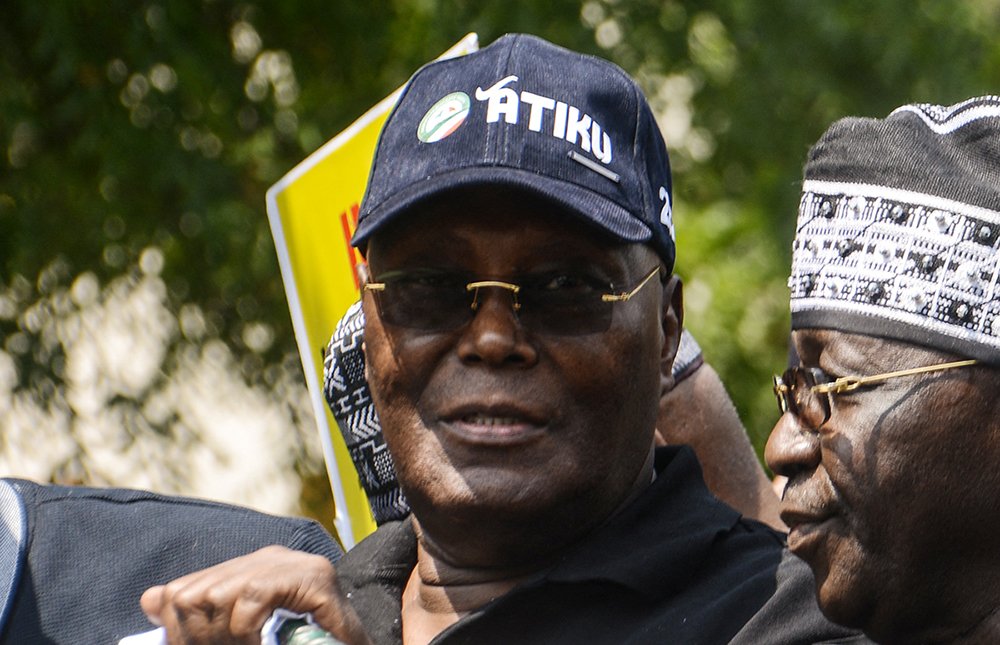
LAGOS - Nigerian presidential candidate Atiku Abubakar has declared he will remain in the race for the country's upcoming election, dismissing a court decision that invalidated his nomination by the opposition African Democratic Congress (ADC). The ruling, delivered on Thursday, has cast uncertainty over his candidacy, but Abubakar remains resolute.
In a statement on Friday, the former vice president asserted, "I am in this race. I am not going anywhere. We will be on the ballot." His comments came just a day after the court ruling, which his party has vowed to challenge on appeal.
Party Alleges Political Interference
The ADC has accused the ruling All Progressives Congress (APC) of orchestrating the legal challenge, a claim the APC has denied. The opposition party maintains that the case is politically motivated and aimed at sidelining Abubakar from the January 16 poll.
Abubakar, a veteran politician who has run for president multiple times, remains a significant figure in Nigerian politics. His persistence in the face of legal obstacles underscores the high stakes of the upcoming election.
Legal Battle Looms
The court's decision to invalidate Abubakar's nomination has raised questions about the ADC's internal processes and the broader electoral landscape. The party's appeal is expected to be closely watched, as it could set a precedent for similar cases.
Meanwhile, Abubakar's supporters have rallied behind him, urging him to contest the ruling. The coming days will be crucial in determining whether his name will appear on the ballot.
Election Atmosphere Heats Up
With the election just weeks away, the political temperature in Nigeria is rising. Abubakar's determination to stay in the race adds another layer of complexity to an already competitive contest. The APC, led by incumbent President Muhammadu Buhari, faces a formidable challenge from a united opposition if Abubakar's candidacy is upheld.
As the legal and political drama unfolds, Nigerians are watching closely. The outcome will not only shape the election but also test the resilience of the country's democratic institutions.