The Bank of England has raised interest rates to 4%, and it has signaled that more increases may be on the horizon. The key question is: how many more? The rate-setting committee is divided on this issue.
Committee Split on Future Rises
Three of the nine voting members referred to "rises" in plural, indicating multiple increases. One member even voted for a double increase to 4.25%. On the other hand, three members, including Governor Andrew Bailey, mentioned just one more rise. My interpretation is that the expectation is for one more increase in February, making it two and done, but this depends on various factors.
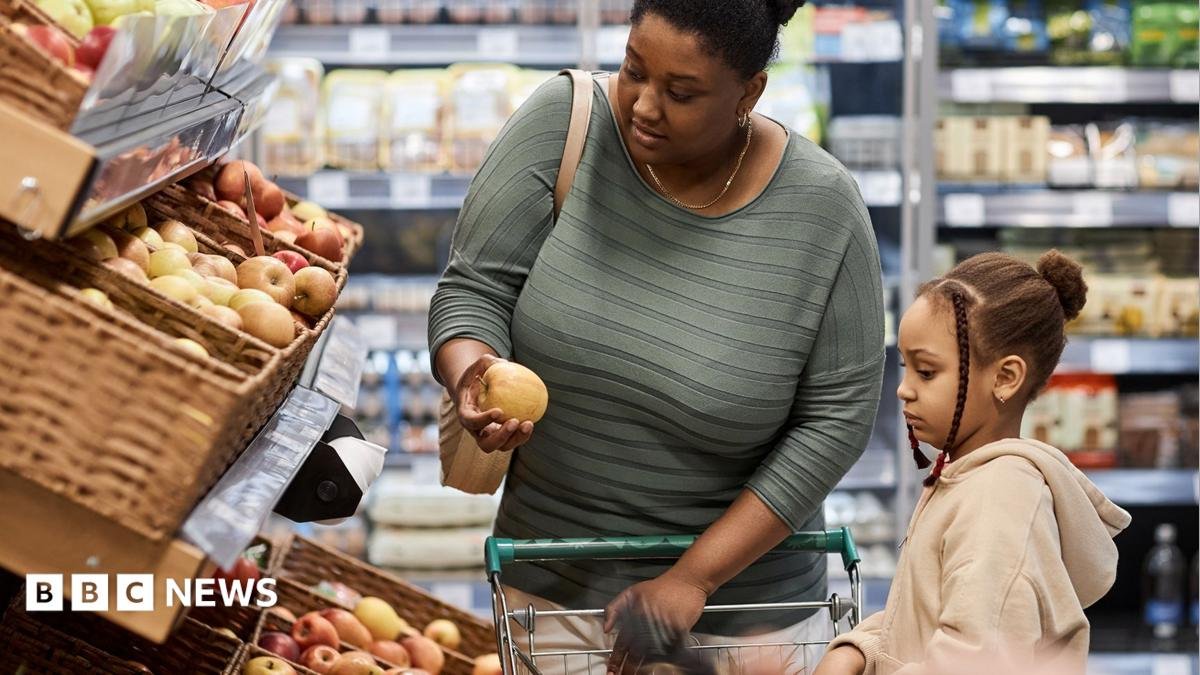
For those with variable mortgages, this is painful, but it should not be seen as the start of a cycle of hikes.
Uncertainty Ahead
Predicting where interest rates will go is like throwing darts at a board that constantly moves around the wall. Expectations of how long the Iran War will last and its impact on the economy and prices lurch from day to day.
The Bank's forecasts indicate inflation is heading to just under 5% next spring, as a typical household energy bill surges by 27% in January to £2,150 a year.
Why Raise Rates Now?
High and rising inflation risks a further cycle of self-fulfilling expectations of rising prices. However, this has not been seen so far. The war has lasted for nine months and led to oil prices used in the forecast averaging $108 a barrel. Yet on the day the rate rise was announced, the oil price is actually 13% lower than that, having fallen in the run-up and after the US midterm elections. This reflects expectations or guesses that President Trump will now retreat or de-escalate from the Iran war.
The other notable factor is that the UK economy is performing much better than forecasts and expectations. This is underlined by the Bank of England's latest forecasts. Growth has been 0.6% and 0.5% in the first two quarters of the year. It is heading for 0.7% between July and September, before slowing in the three months to the end of the year. Unemployment has stabilised and actually fallen a little.
Some of this has fed through into a better performing currency, with sterling at its highest level since the Brexit referendum when measured against a basket of currencies. This can help rein in inflation by making imports cheaper.
The Road Ahead
So, this is an unusual type of uncertainty. Even the expected further rise, probably in February next year, is conditional on the war continuing. The Bank of England stopped waiting for President Trump's war to end today, but perhaps the Democrats' resounding victory in the US midterm elections will stop the inflationary wave. The Bank has thrown a tentative first dart, and there is probably another to come.