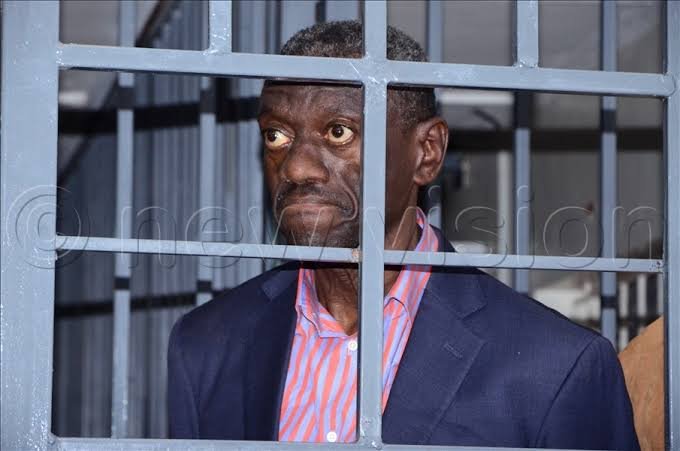
KAMPALA, Uganda - A police investigator testifying in the treason case against Ugandan opposition leader Kizza Besigye has told the High Court that there was no need to physically visit locations where alleged coup-plot meetings reportedly took place, arguing that video evidence already in police possession made such visits redundant.
Inspector of Police Benedict Odyek, who is attached to the Special Investigations Department at the Criminal Investigations Directorate in Kibuli, made the remarks on November 4 before Justice Emmanuel Baguma of the Criminal Division of the High Court in Kampala.
Investigator Explains Reasoning
According to the witness, the prosecution's case relies partly on video recordings that investigators obtained during the inquiry. Odyek told the court that these recordings captured what transpired at the alleged meetings, making on-site inspections unnecessary.
He further explained that by the time the matter was reported to police and investigations began, the passage of time meant the scenes could no longer be considered pristine. Any physical visit, he suggested, would have yielded little of evidential value since the locations might have been altered.
"It was unnecessary to visit the locations because we already had video recordings that formed part of the evidence relating to the alleged meetings," Odyek told the court. "Besides, the locations could have been tampered with by the time the case was reported to the police."
Defence Likely to Probe Investigation Gaps
The admission is likely to feature prominently in cross-examination as Besigye's legal team seeks to challenge the thoroughness of the state's investigation. Defence lawyers have consistently argued that the charges against the veteran opposition figure are politically motivated, a claim the state denies.
The testimony also raises questions about standard investigative procedure, with court observers noting that scene visits are typically a cornerstone of criminal inquiries. The prosecution, however, appears to be building its case around documentary and digital evidence rather than physical site inspection.
Background of the Case
Kizza Besigye, a four-time presidential candidate and longtime critic of President Yoweri Museveni's government, faces treason charges alongside co-accused individuals. The trial has drawn significant public and media attention, with supporters gathering outside the court on several occasions.
Treason, under Ugandan law, carries a maximum penalty of death, making the proceedings among the most closely watched legal battles in the country. The case continues to underscore the tense relationship between the opposition and state institutions.
The hearing is expected to resume with further testimony from prosecution witnesses as the court works to establish the facts surrounding the alleged meetings and the evidence gathered by investigators.