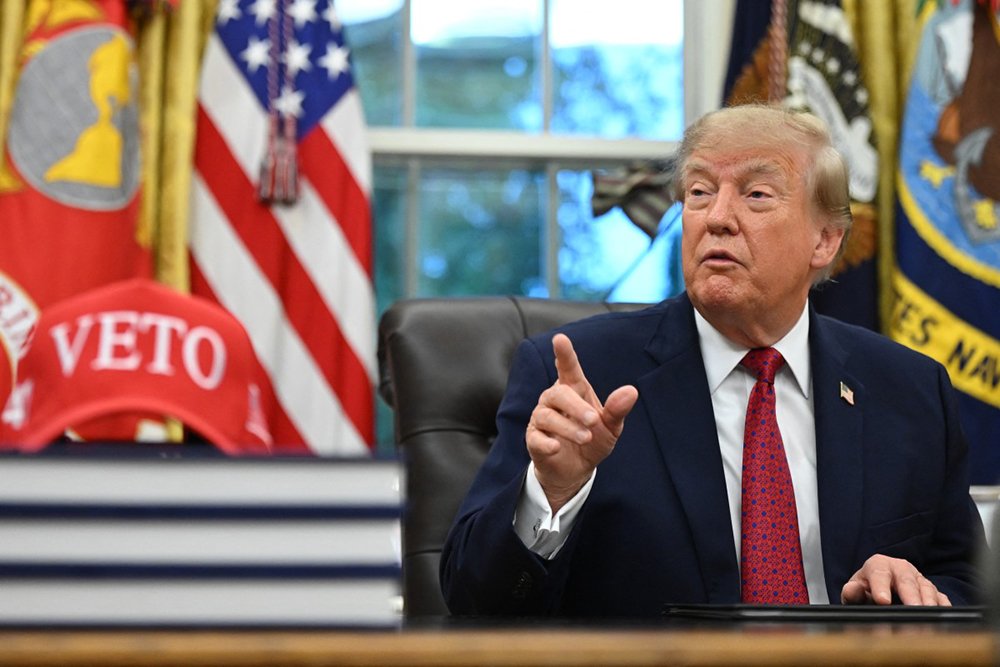
In a significant legal setback for the Trump administration, a federal judge on Thursday temporarily halted construction of a massive triumphal arch that President Donald Trump had envisioned as a signature addition to the nation's capital. The ruling came just hours after the National Capital Planning Commission (NCPC) voted 8-4 to approve the project, which has sparked fierce opposition from veterans, local officials, and preservationists.
Judge Chutkan Steps In
District Judge Tanya Chutkan, who is overseeing the case, issued an order preventing the administration from beginning work on the arch for at least two weeks while the court weighs challenges to its legality. The decision casts doubt on the future of the 250-foot-tall structure, which would be taller than the Arc de Triomphe in Paris and would loom over the Lincoln Memorial across the Potomac River.
The NCPC's approval earlier on Thursday followed hours of testimony from dozens of angry opponents who questioned the project's legality and purpose. Chief among their concerns was the arch's proposed location adjacent to Arlington National Cemetery, the final resting place for hundreds of thousands of American service members.
Controversial Location and Legal Questions
The four dissenting commissioners had urged a delay, citing legal uncertainties, a lack of congressional appropriation to fund the project, and doubts about Defense Secretary Pete Hegseth's claims regarding the arch's military utility. However, the majority on the panel, which is controlled by Trump allies, voted against postponing the decision. The administration had indicated it intended to start construction immediately.
Judge Chutkan's ruling sided with several veterans and the attorneys general of Washington, D.C., and Virginia, who had filed suit to stop the construction. They argued that the project is illegal and would desecrate the solemnity of Arlington National Cemetery.
Part of a Broader Pattern
The arch is one of several projects Trump has launched in an effort to leave his personal mark on the capital, many of which have faced legal challenges. These include a proposed White House ballroom, for which Trump had an entire wing of the presidential mansion demolished, and the repeated renovation of the Reflecting Pool on the National Mall. In the ballroom case, the Supreme Court ultimately ruled that the plaintiff lacked standing to sue.
The temporary block on the arch project represents a victory for opponents who argue that the administration is overstepping its authority and disregarding the historical and cultural significance of the area. The court's decision will allow time for a fuller review of the legal issues at stake.
As the case proceeds, the fate of the arch remains uncertain, but for now, construction crews will have to stand down. The ruling underscores the ongoing tension between the administration's desire to reshape Washington's landscape and the legal and regulatory hurdles that stand in the way.