
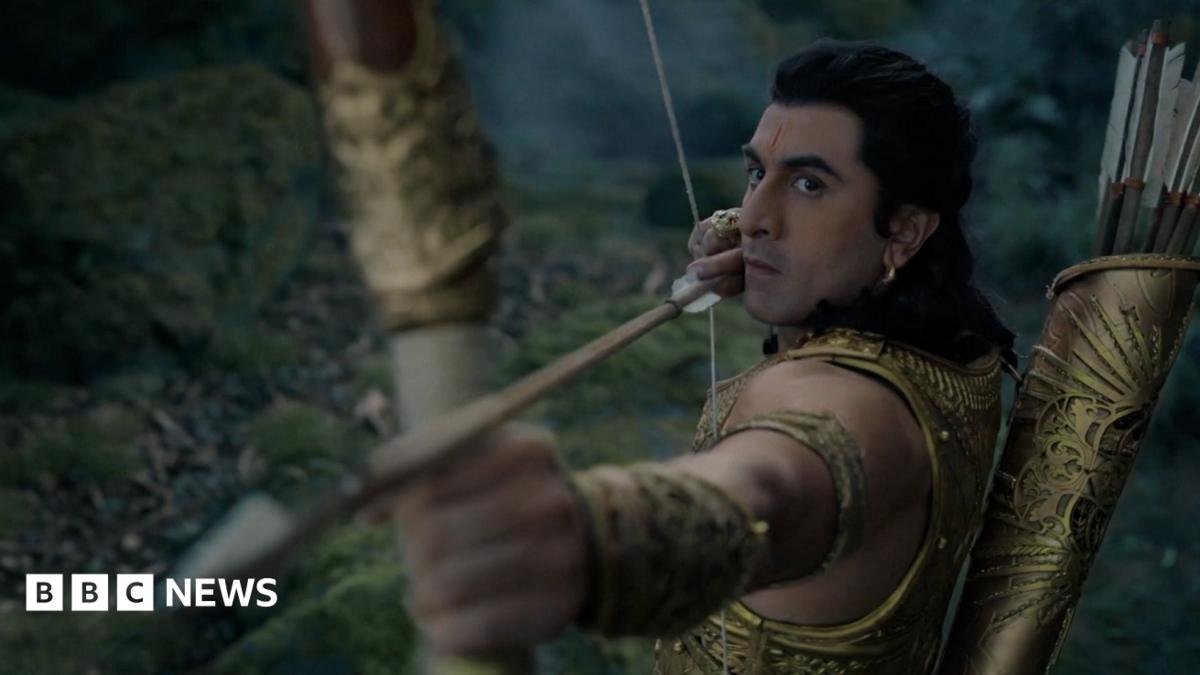
India's most expensive film, a two-part adaptation of the Hindu epic Ramayana, has debuted in cinemas globally, generating massive anticipation and polarized reviews. Directed by Nitesh Tiwari, Ramayana: Rise of a Legend is the first installment of a reported $500 million project, featuring top Indian stars, Hollywood visual effects, and music by Oscar winners A.R. Rahman and Hans Zimmer.
A Timeless Epic Reimagined
The Ramayana, one of Hinduism's foundational texts, has been retold for centuries across poetry, art, and performance. Tiwari's version revisits the classic tale of love, duty, exile, and war, with Ranbir Kapoor as Lord Ram, Sai Pallavi as Sita, and Yash as the formidable Ravana. The story follows Ram's 14-year exile, Sita's abduction by Ravana, and the epic battle that ensues, with the second part slated for release next year.
Producer Namit Malhotra, head of visual effects company DNEG (known for Dune and Interstellar), brings technical prowess, while the musical score by Rahman and Zimmer adds global appeal. The film opened just before Diwali, the festival of lights that celebrates Ram's return to Ayodhya.
Critical Reception: A Mixed Bag
Reviews have been varied. Saibal Chatterjee of NDTV gave it three stars, noting that the visual spectacle often overshadows the narrative, with "wildly inconsistent" acting. Conversely, Rishabh Suri of Hindustan Times awarded four stars, praising the performances and effects despite a sluggish first half and underwhelming music. Shubhra Gupta of The Indian Express also gave three stars, calling it a "perfect epic" that gradually won her over.
International critics were equally divided. Peter Bradshaw of The Guardian hailed it as a "thoroughly engaging, rousing and spectacular Indian epic melodrama," drawing parallels to Shakespeare and Homer. However, Siddhant Adlakha of IGN criticized the action as "clunky" and the CGI as an "eye-sore," while Giovanni Lago of Next Best Picture felt the sprawling story might have been better suited to a series format.
A Cultural Phenomenon
The film's release evokes memories of Ramanand Sagar's 1987 TV series Ramayan, which captivated millions across India. Streets emptied and shops closed during broadcasts, with viewers treating the show with devotional reverence. In a nostalgic nod, Arun Govil, who played Ram in the series, appears in Tiwari's film as Dasharatha, Ram's father.
Other adaptations, like the 1992 animated Ramayana: The Legend of Prince Rama, have also left their mark. Tiwari's version arrives with unprecedented technological resources but also carries the weight of expectations from generations familiar with the story.
Navigating a Politically Charged Landscape
The film debuts amid heightened political sensitivities in India, where Ram has become a symbol of Hindu identity. Previous retellings, such as 2023's Adipurush, faced backlash from Hindu groups and critics over depictions and dialogue. For the actors, the responsibility is immense. Ranbir Kapoor admitted to initial fear, calling the role "an opportunity of a lifetime" but acknowledging the lack of creative freedom. Sai Pallavi described the experience as spiritual, approaching it as a journey of personal growth.
As audiences flock to theaters, the film's reception will soon be clear. Regardless of the verdict, it represents a significant cultural moment, bringing a beloved epic to the big screen on an unprecedented scale.