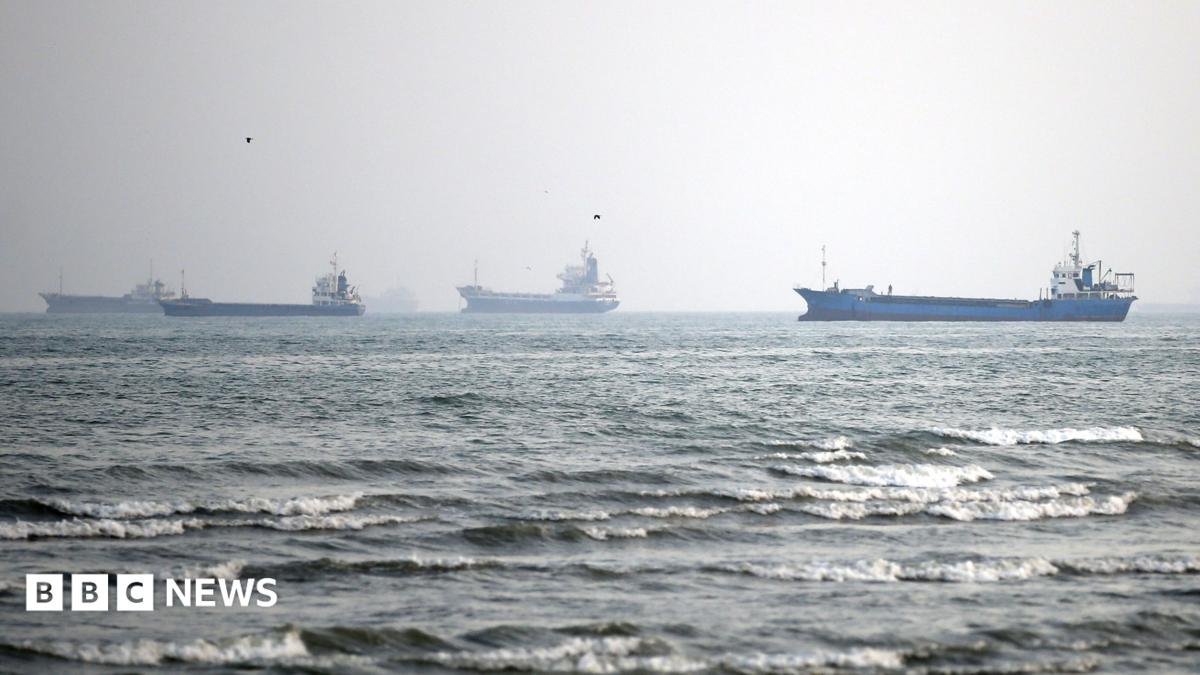
Iran's Islamic Revolutionary Guard Corps (IRGC) announced on Wednesday that four oil tankers were destroyed after striking naval mines in the Strait of Hormuz. According to the semi-official Tasnim news agency, two of the vessels were still ablaze, and two additional tankers were seized. The IRGC claimed the tankers were attempting to traverse a prohibited southern route in the strategic waterway.
The BBC has not independently verified these claims. The announcement came as US voters delivered a rebuke to Republicans in the midterm elections, a development that Iran's top negotiator, Mohammad Bagher Ghalibaf, interpreted as a rejection of war by the American public. He cautioned Washington against betraying its people's will.
Escalating Tensions in the Strait
The IRGC also reported that three tankers had been destroyed after hitting mines early on Tuesday and that they had shot down an MQ-9 drone over the Strait. The earlier US strikes on Qeshm were in retaliation for the IRGC firing on a US aircraft.
Ghalibaf, who also serves as Iran's parliamentary speaker, posted on X that the midterm results demonstrated that whether driven by "conscience or the cost of living, Americans said no to war, and we endorse this message." He added a stark warning: "If the US govt betrays their public will to serve international paymasters and blackmailers, it will learn our 'no' comes with a nightmare."
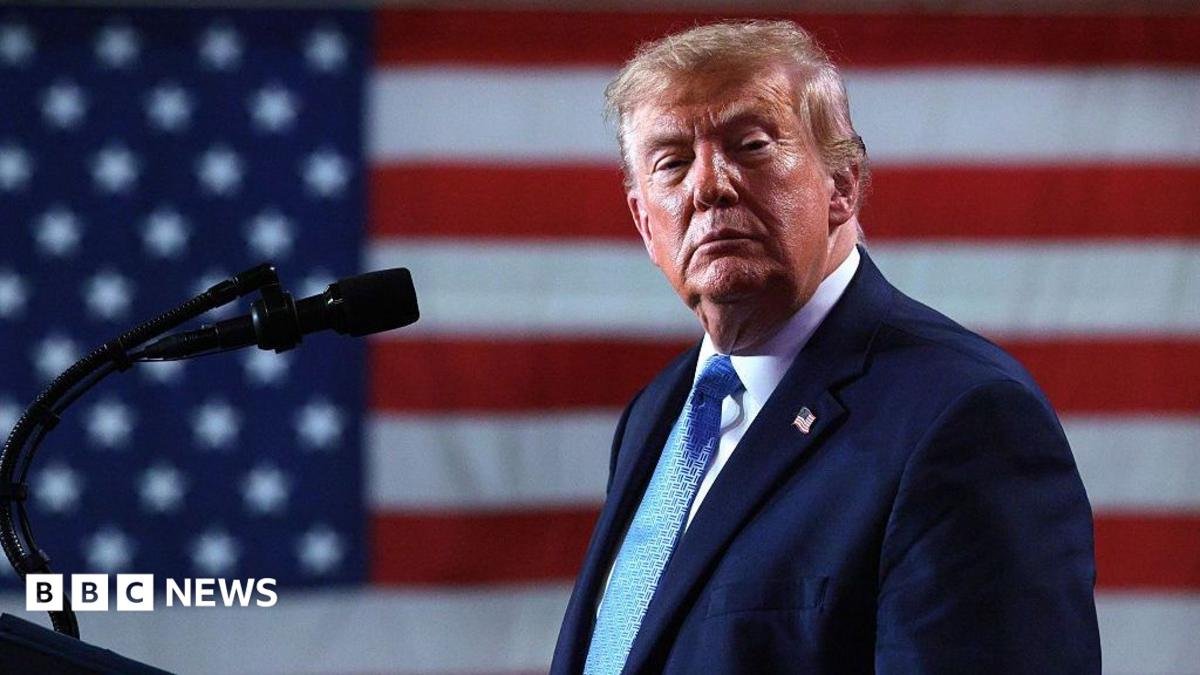
US President Donald Trump on Tuesday acknowledged that the poor results for Republican congress members were partly due to the war on Iran and the consequent increased gas prices, but he did not regret launching it. In an interview with the BBC's partner CBS News, Trump stated that the conflict would end "when I say it ends."
In a separate interview with the Financial Times ahead of the midterm elections, Trump suggested he was content with the state of the conflict and did not consider the US to be "really in a war." When asked about Israeli leader Benjamin Netanyahu's comments that there would be another attack on Iran this week, Trump said they were "locked and loaded if we need to go, but there may be no need for it."
On Tuesday night, Trump told Fox News that some people would "love" to do a "heavy hit" on Iran. "The only thing I can tell you with certainty, they will never have a nuclear weapon," he said.
Stalled Talks and Rising Rhetoric
Talks to end the conflict, which was triggered by joint US-Israeli strikes on Iran in February, have been stalled for months with little sign of a breakthrough. Ghalibaf told a parliamentary session on Tuesday that Iran "will not surrender" and that the responsibility to prevent a war lay with the US. "If Washington makes another strategic mistake, it should know that this time it will face a new battlefield and will be even more desperate than it is today as it searches for a way out," he said.
Meanwhile, Iran's President Masoud Pezeshkian maintained that his government had been trying to resolve the crisis "through dialogue." He warned on Tuesday that "no-one will benefit from this war" if fighting is restarted.
Iran, which closed the Strait of Hormuz in response to the attack, has said it will only reopen it if the US agrees to demands contained in its peace plan. Foreign ministry spokesperson Esmaeil Baghaei this week said the seven-step plan had been condensed and could be implemented in two days if the US agreed.