
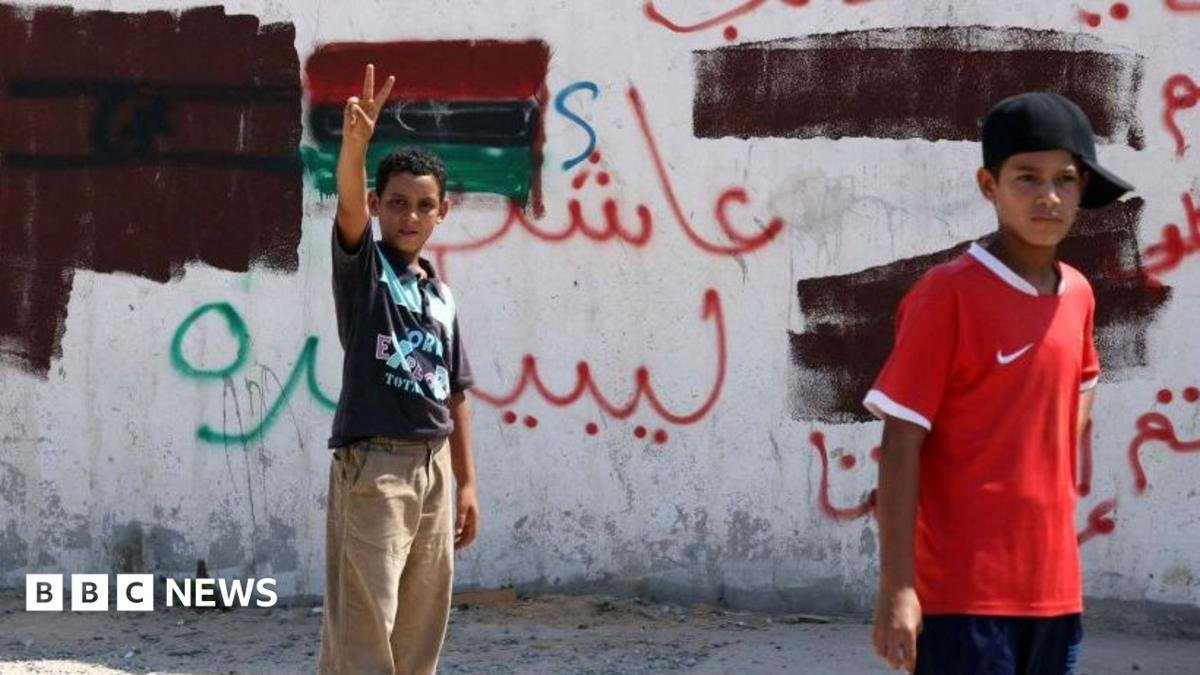
Libya's highest religious authority, the Dar al-Ifta, has issued a fatwa prohibiting Muslims from purchasing, selling, or wearing clothing that displays the Nike logo. The ruling, announced by the Tripoli-based institution, argues that the American sportswear giant's name derives from the Greek goddess of victory and that its iconic swoosh symbol represents her wings. According to the religious committee, wearing such clothing amounts to promoting symbols associated with polytheism, or the worship of multiple deities.
Religious and Political Justifications
The fatwa, approved by Libya's Grand Mufti Sadiq al-Gharyani, also accuses Nike of supporting Israel and calls for a boycott of companies that back the country. It references a statement from the Dar al-Ifta's Council for Research and Sharia Studies dated 5 November 2023, which urged Muslims to boycott Western companies perceived as supportive of Israel during the Gaza war. This latest ruling extends that boycott call to a specific brand.
Libya is home to the ancient Greek city of Cyrene, where archaeological remains include a statue of the Greek goddess Nike. The Dar al-Ifta's argument hinges on this historical connection, asserting that the brand's logo and name are rooted in pagan traditions.
Influence and Limitations
While the Dar al-Ifta wields considerable social influence, its rulings are not legally enforceable and do not constitute state policy. The fatwa does not impose penalties on those who continue to buy or wear Nike products, nor does it announce a formal ban. Nike does not operate an official store in Libya, but its products are widely available through local retailers, and counterfeit versions are common in markets across North Africa.
The ruling has sparked mixed reactions on social media. Some users welcomed the fatwa, while others criticized it as a distraction from more pressing issues facing the country. The debate reflects broader discussions about the role of religion in public life in Libya, which has been politically divided since the 2011 overthrow of Muammar Gaddafi.
Previous Rulings and Broader Trends
This is not the first time the Dar al-Ifta has targeted fashion. Last year, it ruled against wearing jewelry and watches bearing the logo of French luxury jeweler Van Cleef & Arpels, arguing that its four-leaf clover design was linked to Christian beliefs and the pursuit of good luck, which it said contradicts Islamic teachings. The institution has also previously issued rulings against music.
The latest fatwa comes amid a rise in religious conservatism in Libya. In 2025, authorities in eastern Libya announced restrictions on rap music, theatre, and dance performances, citing concerns that some lyrics and performances violated public morals and Islamic values. These measures were later extended to western Libya, although there is no clear evidence that the Dar al-Ifta was directly involved in those restrictions.
As Libya continues to navigate its post-revolutionary identity, the Dar al-Ifta's rulings serve as a barometer of social and religious currents. While not legally binding, they shape public discourse and can influence consumer behavior. The Nike fatwa underscores the intersection of religion, politics, and global brands in a region where faith plays a central role in daily life.