In the sprawling landscape of international rugby league, where predictability has long been the norm, a quiet revolution is brewing. The 2026 World Cup group stage may have been marred by lopsided scorelines and a convoluted format, but from the chaos emerged two Pacific powerhouses: Tonga and Samoa. Their presence in the semi-finals is not just a feel-good story; it is a clarion call for a sport desperate for new contenders.
A Glimmer of Hope in a Lopsided Tournament
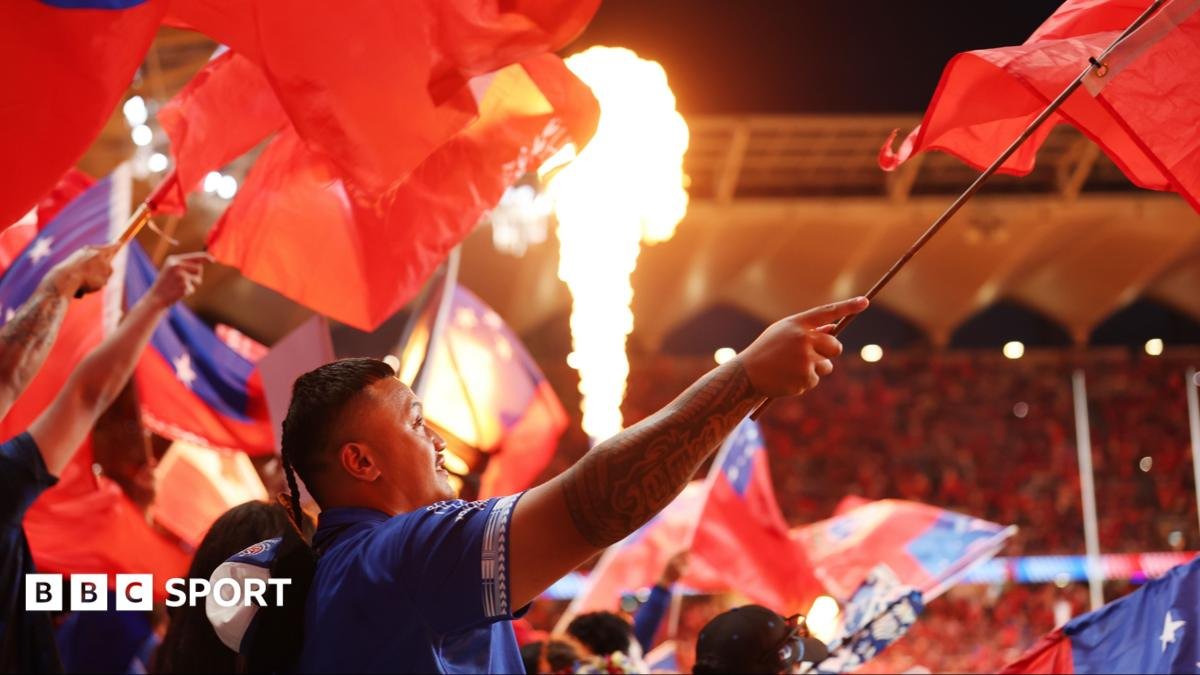
Australia and New Zealand, as expected, cruised through their groups and remain favorites to contest the final. Yet, the script was flipped in Group B-C, where Tonga and Samoa produced a riveting encounter that ended 20-18 in Tonga's favor. The match, played in front of a vibrant and passionate crowd in Sydney, was a testament to the growing competitiveness of Pacific nations. Former Bradford Bulls coach Matthew Elliott, speaking to BBC Radio 5 Sports Extra, dared to dream: "Could this be a dress rehearsal for the final? I hope so. I shouldn't say that out loud as an Aussie but I hope so."
History suggests that a Tonga-Samoa final is a long shot, but the tide is turning. Tonga's recent record against New Zealand is encouraging: a stunning 25-14 victory in the 2022 Pacific Championships and a narrow 20-18 loss to England in the 2017 semi-finals. Samoa, meanwhile, shocked the world in 2021 by reaching the final, where they fell to Australia but not before defeating England in a golden-point thriller.
The Rise of the Pacific Nations
The rise of Tonga and Samoa is not merely a romantic tale; it is a product of talent, dedication, and a more inclusive eligibility system. Nine players from the recent Tonga-Samoa clash featured in the State of Origin, considered one of the toughest competitions in the sport. Tonga half-back Isaiya Katoa told Premier Sports that the intensity was "five or 10 levels above NRL." This influx of quality has been harnessed by coaches Kristian Woolf and Ben Gardiner, both Australians with NRL experience, who have instilled professionalism and emotional discipline in their squads.
The international eligibility rules, which allow players to represent both a tier-one and tier-two nation within a calendar year, have been instrumental. This flexibility has enabled players of Pacific heritage to don the jerseys of their ancestors, bringing with them a ferocity and pride that is palpable. As Tonga prop Addin Fonua-Blake told BBC Radio 5 Sports Extra: "Representing my people is something special. What the supporters have done for this game, it's unheard of."
Financial Backing and a Growing Fanbase
The Pacific nations have also benefited from financial support, notably Australia's A$250m investment over 10 years in the Pacific Rugby League Partnership. This funding aims to create opportunities in Papua New Guinea, Tonga, Samoa, and Fiji, and is a step towards narrowing the gap between the haves and have-nots. The passionate fanbase, which turned out in droves in Sydney, is a testament to the potential of these nations to grow the game.
However, the World Cup format itself has come under scrutiny. With only 10 teams, the tournament has struggled to capture the imagination of neutrals. Former England international Ryan Hall told BBC Radio 5 Live: "The branding of the World Cup, I think that's wrong. The essence of any World Cup in any sport is, it's a festival of the sport. I'm not saying Rugby League could get 48 teams in the World Cup because that's not achievable, but certainly more than 10."
The Case for a Tonga-Samoa Final
A Tonga-Samoa final would be more than just a novelty; it would be a seismic shift in the sport's power dynamics. It would prove that rugby league is not just a two-horse race and that the Pacific islands are a force to be reckoned with. It would also inspire a new generation of players and fans, particularly in the diaspora communities that have embraced the sport with such fervor.
As the semi-finals loom, with Tonga facing New Zealand and Samoa taking on Australia, the stage is set for history. Whether or not they both advance, the message is clear: the Pacific revolution is here, and rugby league is all the better for it.