
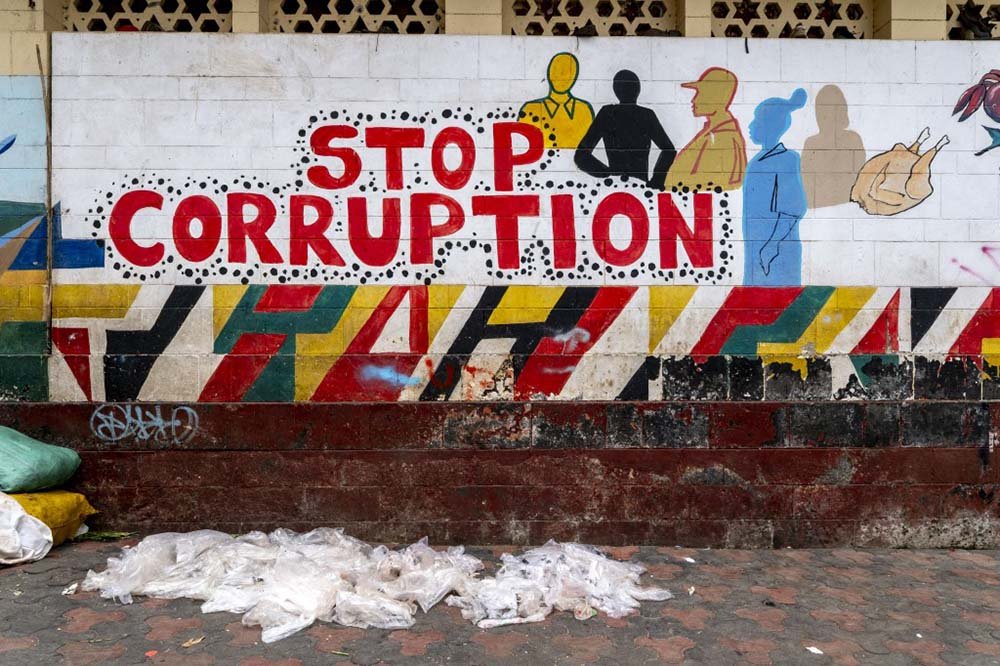
Corruption in Kenya is imposing a staggering financial burden on the nation, with the World Bank estimating that the country loses billions of dollars each year due to graft. A report released on Wednesday reveals that these losses stem from foregone revenue, inflated business expenses, and diminished worker earnings, all of which stifle investment and economic progress.
A Pervasive Challenge
Kenya grapples with corruption at every societal level, from petty bribes demanded by traffic police to large-scale procurement scandals reaching the highest echelons of government. This pervasive graft has fueled widespread protests over the past two years, as citizens express growing frustration with the status quo.
The World Bank's analysis positions Kenya among the most corrupt nations in its peer group of lower middle-income countries. The report attributes approximately 370 billion shillings (about $2.8 billion) annually to governance weaknesses, which exacerbates the country's fiscal deficit. This amount is equivalent to 2 percent of Kenya's GDP.
Conservative Estimate
The authors describe this figure as "conservative," acknowledging that the true cost may be even higher. The estimate encompasses lost tax revenues, inefficient public spending, elevated borrowing costs, and other adverse effects of corruption.
The report underscores the urgent need for Kenya to address governance failures comprehensively. Without decisive action, corruption will continue to undermine economic stability and public trust.
As Kenya strives to achieve sustainable development, curbing corruption emerges as a critical priority. The World Bank's findings serve as a stark reminder of the high price of graft and the imperative for transparency and accountability at all levels of society.