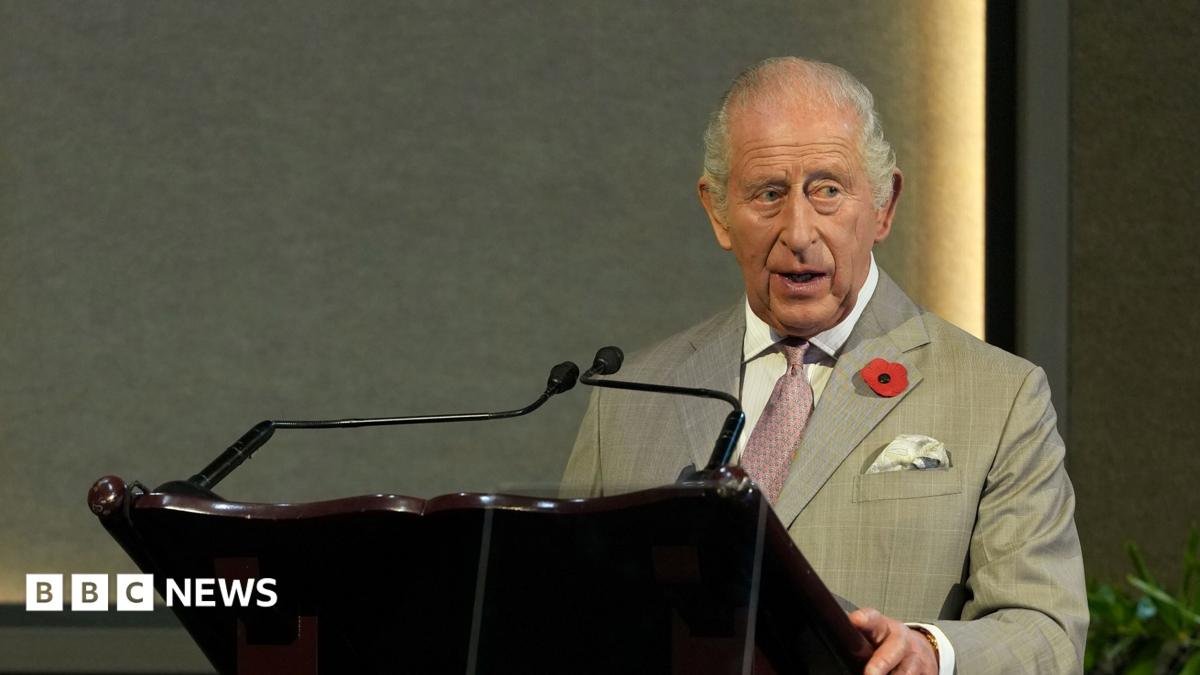
King Charles III has described the transatlantic slave trade as a "shameful chapter of history" that fills him with "profound sorrow," as he opened a summit of Commonwealth leaders in the Caribbean. The King's remarks came during the Commonwealth Heads of Government Meeting (Chogm) in Antigua and Barbuda, where leaders from 56 nations have gathered to discuss shared challenges and opportunities.
Acknowledging the Past
In his address, the King acknowledged that the trade in enslaved persons "still casts a shadow" over the association of nations. He expressed his personal commitment to understanding the legacy of slavery, stating, "The more I have furthered my own understanding of the issues, through listening, learning and looking, the more committed I have become to finding ways for us to work in modern partnership to address the wrongs of the past with action for the future."
While the King did not issue a formal apology, his words were seen as a significant gesture of contrition. There have been calls from some Commonwealth leaders for the UK to make a formal apology for its historic role in the slave trade. However, the King's address stopped short of that, reflecting the delicate balance between acknowledging historical wrongs and navigating contemporary political sensitivities.
Political Context
The summit comes amid ongoing debates about reparations and colonial legacy. Prime Minister Andy Burnham, who is attending the summit, has previously said he is open to Britain issuing a formal apology but that financial reparations were "not the right answer." The King's speech did not delve into policy specifics, but his personal reflections added a human dimension to the discussions.
The King also referenced the "brutal conflicts" the world is facing, the "catastrophic reality" of climate change, and rapid technological development, underscoring the complex landscape in which the Commonwealth operates.
A Tour of Reflection
The King and Queen are on a tour of the Caribbean that has reignited difficult debates over the UK's colonial legacy in the region. On his first stop in the Bahamas, the King spoke of the "suffering of the past." In Guyana, he visited the site of a slave rebellion, where hundreds of enslaved people were killed. These visits have been seen as attempts to engage with the painful history of slavery and its lasting impact.
The Chogm meeting, held every two years in a different part of the Commonwealth, brings together leaders from primarily former territories of the British Empire. This year's theme, "Accelerating Partnerships and Investment for a Prosperous Commonwealth," aims to foster cooperation and development across member states.
As the summit continues, the King's words will likely resonate with many who have long called for a reckoning with the past. While no formal apology was given, the King's expression of "profound sorrow" and his commitment to learning and partnership may pave the way for deeper dialogue and action.