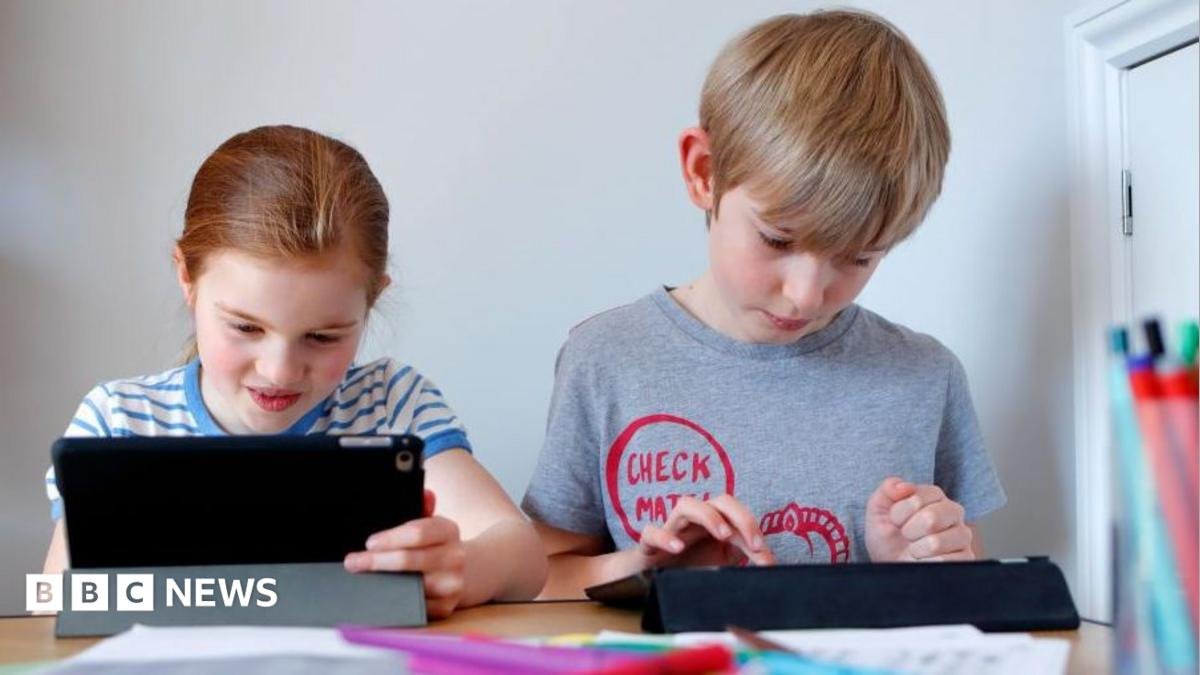
Concerns have been raised in the UK Parliament about the amount of time primary school children are spending on a popular maths app designed to make learning times tables fun. TT Rockstars, which allows children to compete with classmates for virtual coins and rock-star-themed characters and outfits, is widely used by schools for maths homework.
Labour MP Emily Darlington told the Commons Science Committee on Tuesday that the app and others like it could be harming children's development because they reward "length of time rather than quality of time spent online". The committee is investigating the impact of screen time and digital devices on children's brain development.
Founder Acknowledges Concerns
Bruno Reddy, founder of Maths Circle, the company behind TT Rockstars, said he shared concerns about screen time and was working with schools to introduce curfews and time limits. He said the company discourages long sessions, adding: "Every game in TTRS is deliberately short, and our characters remind children to take regular breaks."
Reddy, a former maths teacher, explained: "The rule of thumb we give schools is: three minutes, four or five times a week. In September, a typical child played on three days, for about six minutes each time." He added that from 24 November, "every school will have a curfew and a daily time limit switched on, and leaderboards switched off as default".
Darlington, the MP for Milton Keynes Central, said that while education technology (EdTech) can have a place in the classroom, "when gamification is used, children spend hours online to 'earn' the latest outfit". She added: "Parents are concerned that this causes conflict on time spent on devices and the pressure to perform against classmates," and this could deter them from taking part in real-life activities rather than screen-based ones.
Government Minister Criticises Gamification
At the committee, early years education minister Paul Waugh said: "Gamification isn't the way to learn. That's the propaganda they [EdTech companies] will give you but it is all about driving their screen time and their screen use. So it's profit driven." He said there were "ways of making learning fun" that did not involve "competition with yourself or with someone else" and EdTech should be about supporting teachers and not replacing them.
The company behind TT Rockstars, Maths Circle, says that the app and a similar programme for addition and subtraction, Numbots, is used in 17,000 schools and over 100,000 households. Reddy said TT Rockstars had been designed to "boost learning in the classroom: recognising progress, celebrating achievement and making learning enjoyable". He added: "We've deliberately steered away from features designed to keep children playing, such as streaks, random rewards, chat messages, loot boxes or notifications. There's no advertising and schools pay the same subscription however much their students play, so we have no commercial reason to want children on screen for longer."
The government is in the process of drawing up guidelines for schools and parents on the amount of time five to 16-year-olds should spend on screens. It comes amid growing calls for the use of EdTech in the classroom to be limited. Charlotte Ashton, co-founder of Generation Focus, which campaigns for smartphone-free schools, said: "Increasingly parents and teachers are saying no to Ed Tech because for the vast majority of digital 'learning tools' there's very little evidence they actually improve learning and growing evidence they can be harmful." She added: "Not all tech is bad, but until we are confident that new digital tools improve children's learning without doing harm or imposing unintended consequences we are supporting schools to stick to proven teaching methods."