Uganda's Parliament has issued a firm directive to the government, demanding a comprehensive breakdown of the beneficiaries of the Electricity Access Scale-up Project (EASP). Lawmakers have given the Ministry of Energy and Mineral Development a strict two-day deadline to present detailed information on who has benefited from the initiative, which is set to conclude next year.
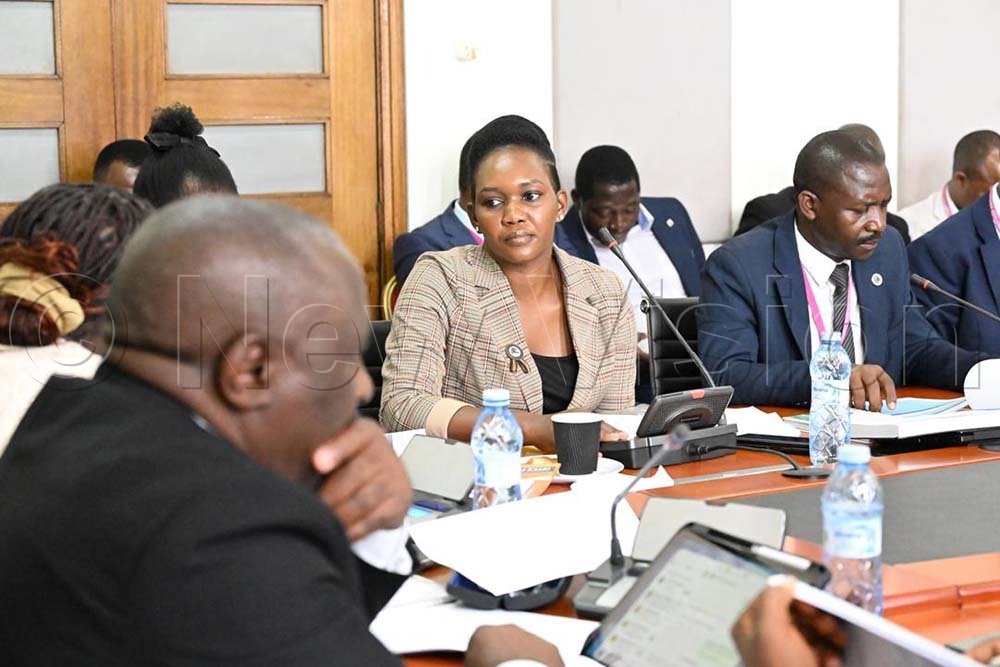
The directive was issued on Tuesday, November 3, by Jane Avur Pachuto, the chairperson of the National Economy Committee and Member of Parliament for Pakwach District, during a meeting between legislators and a delegation led by the State Minister for Energy and Mineral Development (Minerals), Phiona Nyamutoro.
Lawmakers Seek Regional and District-Level Data
The committee's demand underscores growing concerns about accountability and equitable distribution of electricity connections across the country. Pachuto made it clear that Parliament is not satisfied with general figures and wants a granular picture of how the project has been implemented.
"Of the 290,000 connections, we want to know, by region, by district and the next interventions that the ministry is going to do given that this project ends next year," Pachuto ruled during the session.
The EASP, a flagship government initiative, has been central to Uganda's efforts to expand electricity access, particularly in rural and underserved communities. With 290,000 connections reportedly delivered, legislators are now pressing for evidence that the benefits have reached all regions fairly and that no district has been left behind.
Ministry Under Pressure to Account for Project Outcomes
The two-day ultimatum places the energy ministry under significant pressure to produce transparent data. Lawmakers are expected to scrutinize the figures closely, particularly given that the project's lifespan is nearing its end. The committee also wants to understand what the ministry plans to do next to sustain and build upon the gains made so far.
The meeting between MPs and the ministry team reflects a broader push by Parliament to ensure that public resources are used effectively and that development projects deliver tangible results for ordinary Ugandans. Rural electrification remains a critical issue in the country, where access to reliable power is still limited in many areas.
The State Minister for Energy and Mineral Development, Phiona Nyamutoro, now faces the task of providing the requested details within the tight timeframe. How the ministry responds will likely shape the next phase of parliamentary oversight on the project.
As the deadline approaches, all eyes will be on the ministry to see whether it can account for every connection and outline a clear path forward for Uganda's rural electrification agenda.