
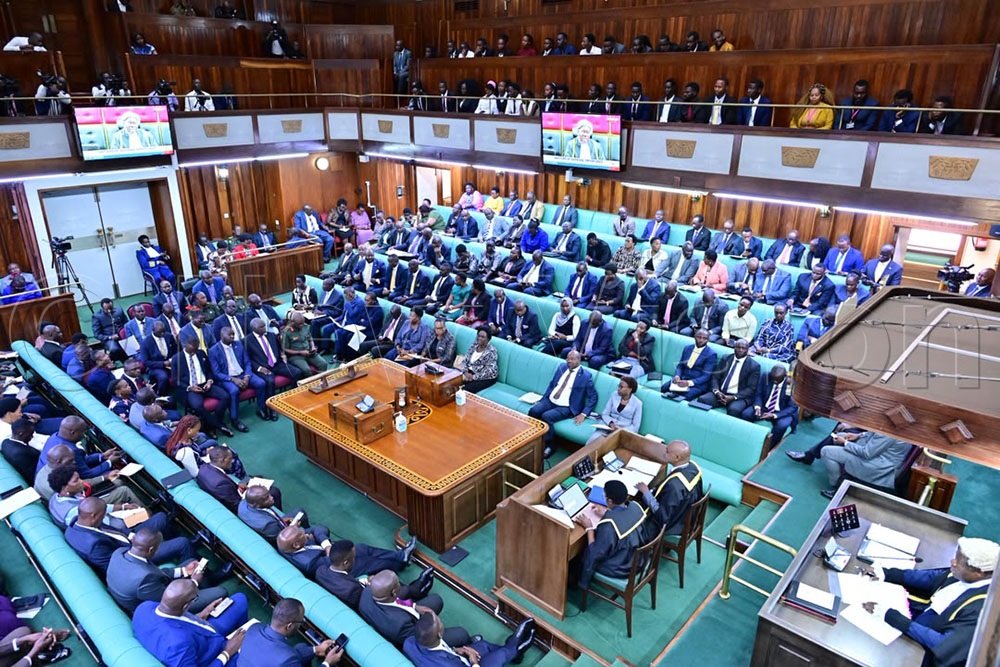
KAMPALA - Uganda's Parliament has stepped into a growing controversy over the Uganda Revenue Authority's (URA) demand for backdated excise duty payments from businesses, with some companies reportedly having their bank accounts frozen. The matter was brought to the floor on Tuesday, November 3, by Karim Masaba, the Member of Parliament for Industrial Division Mbale City, who raised concerns about URA's enforcement actions against oil marketing companies and sugar traders.
Legal Ambiguity Surrounding Retrospective Taxes
At the heart of the dispute is URA's demand for additional taxes covering transactions conducted between July 1 and August 28, 2026. According to Masaba, these demands were issued before the Excise Duty (Amendment) Act, 2026, was assented to and published in the Uganda Gazette. The MP argued that businesses should not be required to pay taxes for a period when the revised rates had not yet become law. "URA is demanding taxes that were supposed to have been collected from the 1st of July to the 28th of August," Masaba told Parliament.
The enforcement measures have been severe: URA has issued tax demand notices and bank agency notices to affected businesses, with some accounts frozen as the authority seeks to recover the additional revenue. This has caused significant disruption for companies, particularly in the oil marketing and sugar sectors, which are vital to Uganda's economy.
Parliament Seeks Attorney General's Guidance
In response to these concerns, Parliament has asked the Attorney General to clarify the legality of URA's actions. The House wants to determine whether the tax authority has the legal basis to demand retrospective payments when the enabling legislation was not in force during the period in question. The matter has also been referred to the Ministry of Finance, with Masaba urging the ministry to intervene and direct URA to halt enforcement until the legal ambiguity is resolved.
The call for clarity underscores a broader debate about the limits of retrospective taxation and the importance of adhering to the rule of law. Businesses are increasingly vocal about the need for predictability in tax policy, especially in a challenging economic environment.
Impact on Businesses and Economy
The frozen bank accounts have sent shockwaves through the affected sectors. Oil marketing companies and sugar traders are now facing liquidity constraints, which could ripple through the supply chain and ultimately affect consumers. The timing is particularly sensitive, as businesses continue to recover from the economic fallout of the COVID-19 pandemic.
Legal experts suggest that the case could set a precedent for how tax laws are applied retroactively in Uganda. If URA's actions are deemed unlawful, it could force the authority to refund the collected taxes and reconsider its enforcement strategies. Conversely, if the courts uphold URA's position, it could embolden the tax body to pursue similar measures in the future.
Next Steps
Parliament's decision to seek the Attorney General's opinion is a crucial step in resolving the impasse. The Attorney General's office is expected to provide a legal interpretation of the Excise Duty (Amendment) Act, 2026, and its applicability to the period before its publication. Meanwhile, the Ministry of Finance has been urged to act swiftly to prevent further damage to businesses.
As the nation awaits clarity, the standoff between URA and the business community highlights the delicate balance between revenue collection and fostering a conducive environment for economic growth. Parliament's intervention signals that the issue is being taken seriously, and stakeholders are hopeful that a fair and lawful resolution will be reached soon.