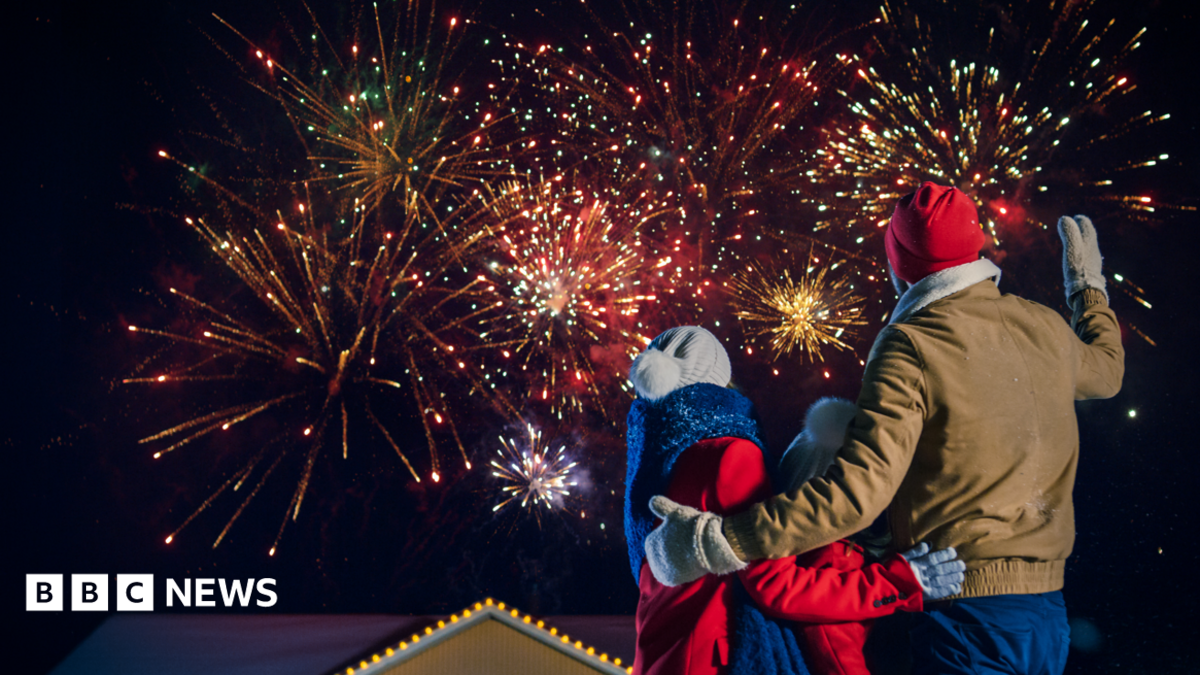
As the nights draw in and the skies light up with the crackle and boom of Bonfire Night celebrations, a debate is raging over whether the traditional noisy fireworks should be toned down. The UK government is considering halving the noise limit for the loudest fireworks available for private use, following mounting pressure from campaigners who highlight the distress caused to animals and people living with post-traumatic stress disorder (PTSD).
A Balancing Act
With an estimated 20 million people enjoying fireworks at home each year, according to industry figures, any change could have widespread impact. Business Minister Kate Dearden said her department is reviewing fireworks legislation to address "key harms associated with their misuse - their noise, and contribution to antisocial behaviour - whilst still allowing individuals to enjoy fireworks safely and responsibly for the important community and cultural celebrations they play a part of."
The government has ruled out an outright ban on public fireworks sales, arguing it would not be proportionate. However, the proposal to reduce the maximum noise level from 120 decibels to 110 decibels for consumer fireworks is seen by some as a step too far.
Voices from Both Sides
For dog owner Katherine Alderson from Clacton-on-Sea, the annual celebrations are a source of dread. "It's a nightmare every single year," she told BBC Breakfast. "This year I've actually barricaded my bedroom window with numerous layers of insulation to try and keep out the noise." Alderson believes fireworks should be about "the lights and colours" and has called for a complete ban on public sales.
Her concerns are echoed by charities supporting veterans. Alan Friggieri of Combat Stress, which helps former servicemen and women with PTSD, told MPs on the Commons Business Committee that calls to their helpline spike around Bonfire Night. "Nothing quite sounds like an AK47 other than fireworks going off - it's that crackle," one veteran who had been shot multiple times told him. Yet Friggieri stopped short of calling for a ban, acknowledging the cultural significance of fireworks.
Industry Warns of Black Market
The British Fireworks Association (BFA) argues that quieter fireworks could backfire. Vice chairman Andy Hubble warned that a ban in Ireland led to a flourishing black market. "There is a real risk here that if we make fireworks quieter that there is still a demand then we could create an illegal market where fireworks are coming in through internet sales and white van sales," he said. He added that the UK currently has a well-regulated market with enforcers who know the products, but that could be lost if products go underground.
Hubble also disputed claims that fireworks are getting noisier. "No, no, it's a lot quieter than it used to be - we used to have bangers and air bombs and screamer rockets that used to be on sale and they were withdrawn from sale," he said. According to BFA assessments, reducing the noise limit to 110 decibels would affect up to 60% of fireworks sold to the public, while a reduction to 90 decibels would impact about 95%. "That's effectively a ban on consumer fireworks, not a modest reduction in noise," Hubble argued.
Practical Advice
As the debate continues, charities have issued advice for those affected. The RSPCA recommends staying calm, masking sounds with music or TV, closing windows, and creating a secure environment for pets. For people with PTSD, Combat Stress suggests noise-cancelling headphones, blackout blinds, and grounding techniques to remind oneself of safety.
The government's review is ongoing, and any changes would not take effect until next year. For now, the bangs and flashes will continue, but the conversation about how to balance tradition with compassion is louder than ever.